Convert Website Traffic to Customers: 2026 Guide
Marketing, Conversion Optimization, Small Business
How to Turn Website Traffic Into Customers: A Small Business Guide for 2026
More visitors don’t automatically mean more sales. In 2026, the small businesses and agencies winning online are the ones turning every click into a clear, confident path toward requesting a quote, booking an appointment, or making a purchase. This guide walks through how to design that path—from first visit to follow-up—using smart strategy, trustworthy design, and AI-powered insights.
Start With a Website Built to Guide, Not Just Impress
A high-converting website is clear, trustworthy, and action-driven. Visitors should instantly understand who you serve, what you offer, and what to do next. Avoid clever-but-vague headlines and cluttered layouts. Instead:
Use plain language that states the outcome you deliver, not just features.
Structure each page with a single primary goal: quote, call, booking, or purchase.
Remove distractions that pull people away from that goal—unnecessary links, pop-ups, or competing offers.
Website Optimization: The Engine Behind Conversions
In 2026, optimization is no longer just about loading speed—though that still matters. It’s about removing friction at every step. That includes fast pages, intuitive navigation, relevant content, and experiences tailored to different audiences. Continuous optimization turns a static site into a conversion machine that improves month after month.
💡 Pro Tip: Treat your website like a top salesperson: review its performance regularly, refine the pitch, and test new approaches.
Build Trust First: Why People Say “Yes” (or Disappear)
Visitors won’t request a quote or enter card details if they don’t trust you. Strong trust-building elements reduce anxiety and make the decision feel safe:
Clear contact details, including a real address and phone number.
Recent testimonials, case studies, and recognizable client logos.
Security signals: SSL certificate, secure checkout badges, privacy assurances near forms.
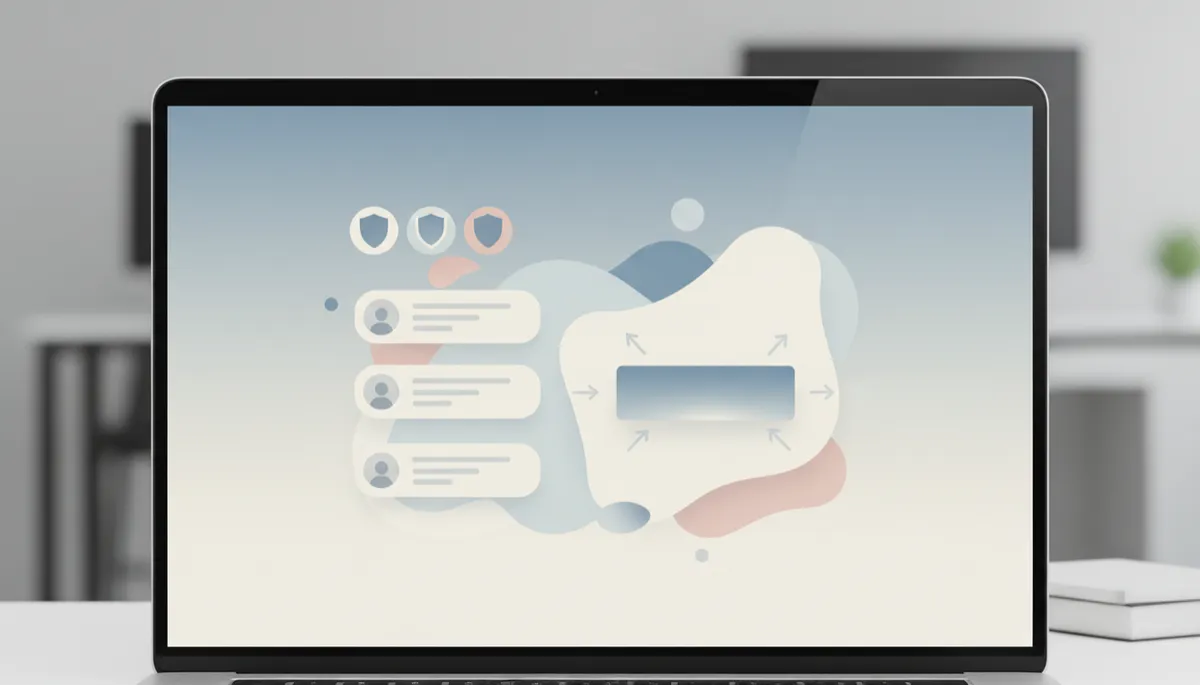
Small layout changes—social proof, badges, and clear buttons—often unlock double-digit conversion lifts.
Strong Calls-to-Action That Respect Visitor Intent
Your calls-to-action (CTAs) should be specific, visible, and aligned with where the visitor is in their journey. Replace weak copy like “Submit” with action-oriented phrases such as “Request Your Free Quote” or “Book a 15-Minute Consultation.” Use consistent button styles so visitors instantly recognize what to click next.
Matching landing pages to visitor intent is just as important. Someone clicking a “same-day repair” ad should land on a page about fast repairs, not your generic home page. Aligning message, offer, and design to the source of traffic dramatically increases conversions.
Mobile-Friendliness and Frictionless Forms
For many small businesses, most traffic now arrives on mobile. If your site is hard to read, scroll, or tap on a phone, you’re losing ready-to-buy visitors. Prioritize:
Large, thumb-friendly buttons and simple navigation menus.
Click-to-call and click-to-text options for service businesses.
Fast-loading pages, especially on cellular connections.
Forms are where interest becomes a lead or sale, so reducing friction is critical. Ask only for information you truly need at that stage. Use clear labels, show progress on multi-step forms, and reassure visitors how their data will be used. Fewer fields and fewer surprises usually mean more completions.
Follow-Up: Conversions Rarely End on the Thank-You Page
Turning traffic into customers doesn’t stop when someone fills out a form or places a small order. Effective follow-up strategies nurture leads and encourage repeat business:
Automated confirmation emails that set expectations and next steps.
Reminder sequences for abandoned quotes, carts, or bookings.
Post-purchase check-ins and review requests to build long-term trust.
How AI Helps You Understand Visitors and Optimize Conversions
AI tools in 2026 can quietly analyze visitor behavior: which sections people scroll past, where they hesitate, and which journeys lead to revenue. Instead of guessing, you can see patterns—like mobile visitors abandoning a specific form field, or certain headlines leading to more quote requests—and adjust accordingly.
AI can also support conversion optimization by suggesting new page variations, personalizing content based on traffic source, and running always-on A/B tests. The technology accelerates learning, but it still needs human judgment to set strategy, protect brand voice, and decide which changes make business sense.
Why Professional Expertise Still Matters in 2026
High-performing sites rarely happen by accident. They blend strategy, creative direction, and technical implementation. Agencies and experienced professionals help you:
Define clear customer journeys from first click to loyal client.
Craft messaging, visuals, and CTAs that feel aligned with your brand.
Implement tracking, AI tools, and technical fixes without breaking the user experience.
Map the Entire Customer Journey—and Keep Improving It
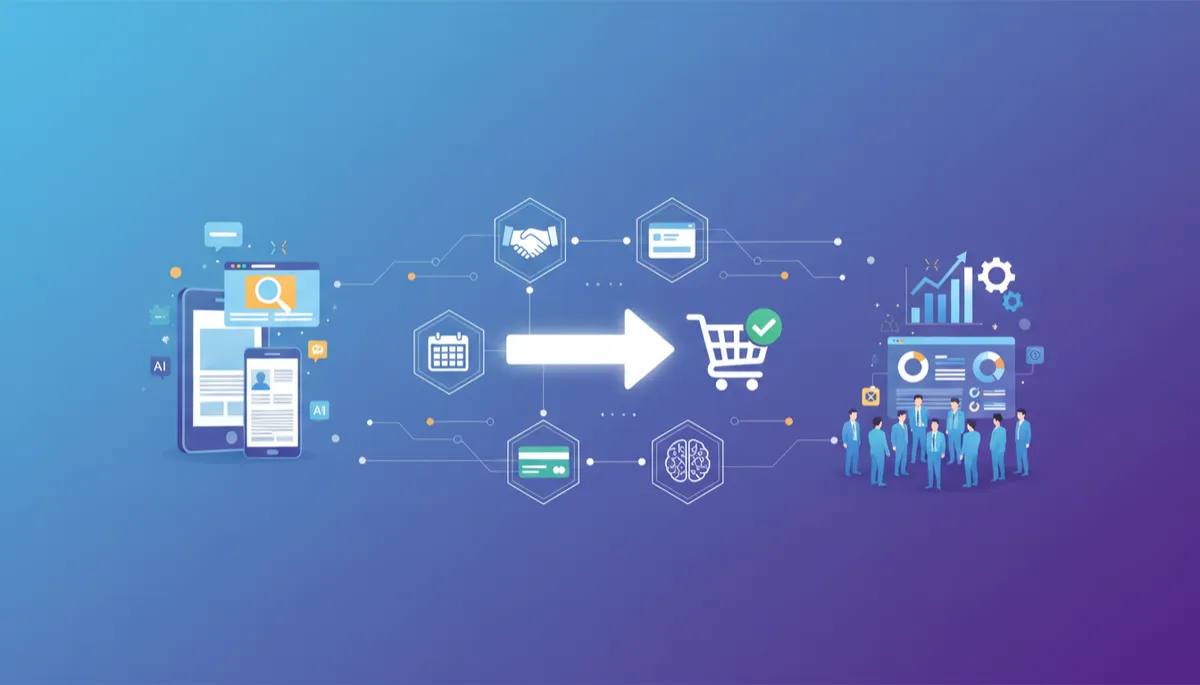
Think of your website as part of a larger customer journey: attract visitors with relevant search, social, or email campaigns; match their intent with focused landing pages; guide them to take the next step; then follow up thoughtfully. Each stage should feel like a natural continuation of the last, not a jarring detour.
Build in continuous improvement. Review analytics monthly, run small tests, and talk to real customers about what confused them or built confidence. Over time, these incremental gains compound into significant revenue growth.
📌 Common Mistakes to Avoid: sending all ads to the home page, using generic CTAs, ignoring mobile, overloading forms, and relying on “set it and forget it” websites instead of ongoing optimization.
Turning Traffic Into Customers in 2026
You’re already investing to bring people to your website. The real leverage comes from what happens next. By focusing on clarity, trust, strong calls-to-action, intent-matched landing pages, mobile-friendly design, low-friction forms, thoughtful follow-up, and AI-informed optimization—backed by professional expertise—you turn traffic into a steady, predictable flow of customers.